The cutest animals in the world and the wildness awakened in them
Flocked bunnies were meant to be pure innocence. Instead they became a canvas for satire about terrorism, a viral soap opera full of murders, and people who gave up their own names.
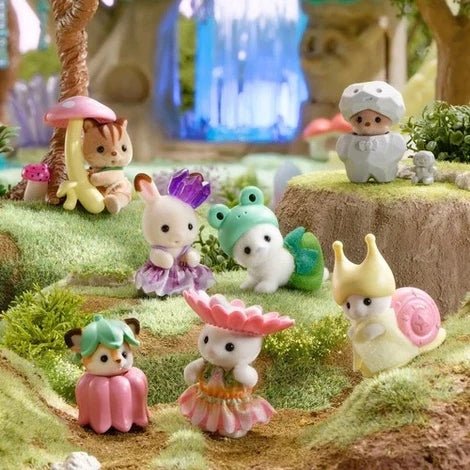
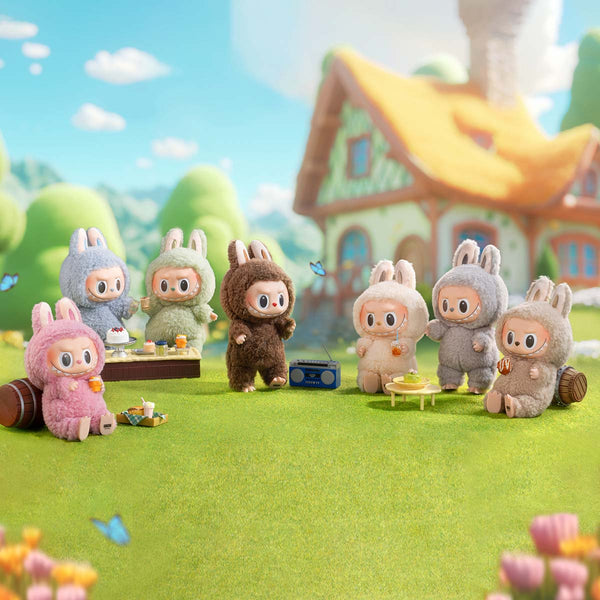
On 20 March 1985 the Japanese company Epoch released soft, flocked woodland animal figures living in meticulously furnished houses in the fictional land of Sylvania. Rabbits baking bread, hedgehogs at school, mice on a picnic. The name means “of the forest” — from the Roman god Silvanus, guardian of wild trees, who was said to carry “something of the terror of the unknown”. And perhaps some of that terror stayed, because few toys have caused as much scandal as this most innocent of the innocent.
When ISIS comes to Sylvania
2015, London. An artist working under the pseudonym Mimsy creates seven satirical light boxes titled “Isis Threaten Sylvania”. Idyllic rabbits, hedgehogs and mice sunbathe on the beach and drink beer at a fair — while armed fighters in black balaclavas lurk in the background, a group the artist christened “MICE-IS”. Some of the terrorists have rabbit ears poking out — deliberately: Mimsy wanted to show that fanaticism has no single nationality.
The work was meant for the “Passion for Freedom” exhibition at the Mall Galleries. It was pulled after police raised concerns about “potentially inflammatory content”. The organisers were told that if they wanted to show it, they would have to pay £36,000 to secure the six-day show — so the figures came down. A Guardian critic stood firmly behind the work, writing that satire isn't meant to be subtle, and that if art can't be shown because it might provoke terror, the terrorists have already won.
Far away, in the land of Sylvania, rabbits, foxes, hedgehogs and mice overcame their differences to live in peace. Until now.
Sylvanian Drama and the lawsuit
Fast forward to TikTok. Since 2021 the Irish creator Thea von Englebrechten has run the series “Sylvanian Drama” — videos in which the sweet figures act out brutal soap operas full of betrayals, disappearances and murders. The contrast between the sugar-coated aesthetic and the dark plots turned out to be viral gold; sponsors included Netflix, Sephora, Taco Bell and Marc Jacobs.
In April 2025 Epoch sued the creator for producing and publishing unauthorised advertising videos using the figures, arguing that the unauthorised collaborations had damaged the brand's reputation. On 8 August 2025 the company dropped the suit without prejudice, with each side covering its own costs — and the creator announced she would rename her accounts. A classic collision: a corporation guarding its image versus an internet that loves these figures in its own way.
The people who became bears
And the most touching thread of all. In 1992 the married couple Simon and Angela Harwood opened Europe's only independent Sylvanian shop in London. In public they appeared exclusively as their Sylvanian alter egos — Taylor and Rose Timbertop, a pair of brown bears. The shop's website was run by their daughter, appearing as Daisy Timbertop. After more than three decades the shop closed in 2023, as independent shops were going under en masse — but they left with class, and with the whole family cast intact.
Who lives here
The whole Sylvanian Families collection is waiting for you — you decide whether it becomes an idyll or your own soap opera.
See the collection →Follow: Sylvanian Families · YouTube