Carter Bryant and the dolls that didn’t apologise for themselves
Mattel said no. The MGA president’s 12-year-old daughter said yes. And that changed the fashion-doll market forever.
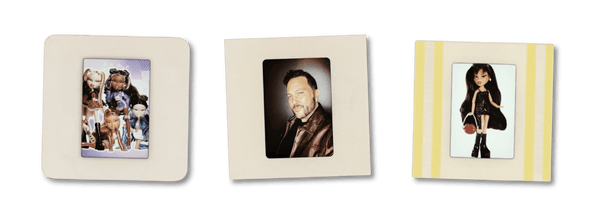
In 1998 Carter Bryant — a doll designer for Barbie at Mattel — was driving through Springfield, Missouri, and passed Kickapoo High School. A group of teenage girls coming out of the school — bold, stylish, full of character — gave him the inspiration he’d been looking for. He went home and started sketching feverishly. That’s how the first four Bratz characters were born: hands on hips, big eyes and an air of “just a touch of rebellion.” On 21 May 2001 Bratz hit the shops and immediately began knocking Barbie’s monopoly flat.
As a child Bryant had no money for toys, so he drew paper dolls. After college he ended up at Mattel, but felt stifled there and sketched Bratz in secret. When he finally showed the sketches to MGA Entertainment, president Isaac Larian said they looked like aliens — but his 12-year-old daughter Jasmin was thrilled. And it was her enthusiasm that saved the brand.
The diversity revolution
Bratz revolutionised the market because from day one they were diverse. Yasmin, Cloe, Jade and Sasha — a Latina, a white blonde, an Asian girl and a Black girl — together, with no leader, on equal footing. MGA’s CEO Isaac Larian told the shops bluntly: “you buy all of them or none.” Children around the world could finally see themselves in a mainstream doll.
Mattel versus MGA
In 2005 Bratz earned a billion dollars and took 40% of the fashion-doll market, which had previously belonged almost entirely to Barbie. Mattel sued MGA for 500 million dollars, claiming Bryant had created Bratz while still a Mattel employee. The case dragged on for a decade, consuming an estimated 600 million dollars-plus in legal costs. MGA won. Bratz stayed — and today they’re coming back stronger than ever, driven by millennials and older Gen Z and the fashion for the Y2K aesthetic.
Bryant drew girls who didn’t apologise for themselves — hands on hips. Mattel said no. 12-year-old Jasmin Larian said yes.
The original four
The whole Bratz collection is waiting here — Y2K, rebellion and passion for fashion.
See the collection →