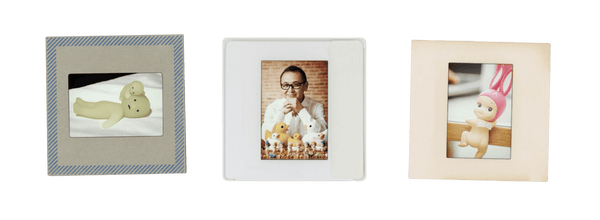
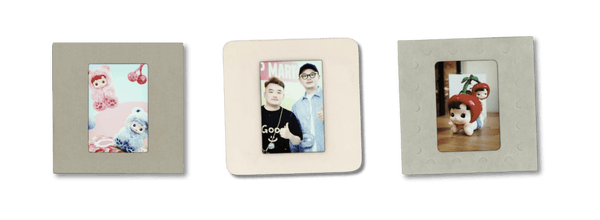
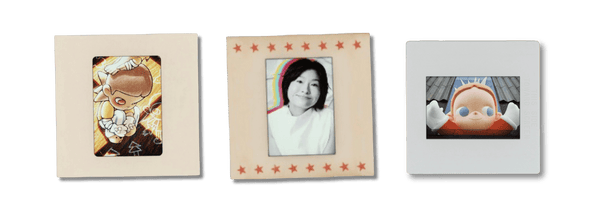
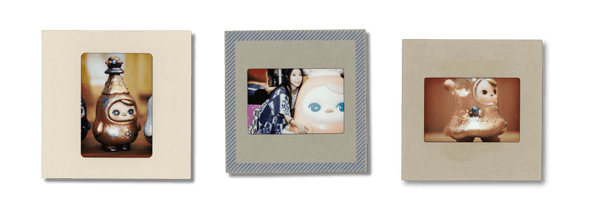
Toru Soeya and design that heals the soul
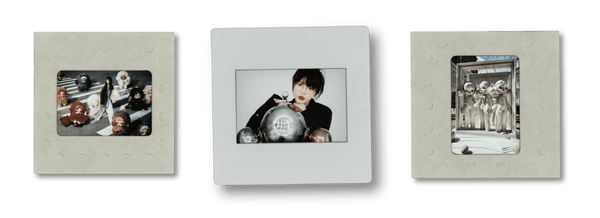
Sonny Angel, Smiski and a glowing duck in the MoMA collection — all grow from a single philosophy: joy in the hands, healing in the heart.
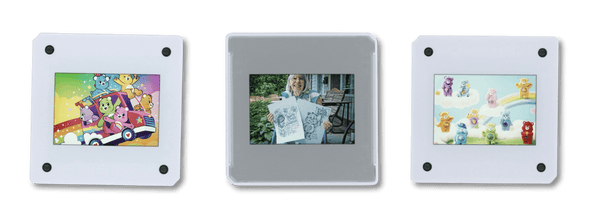
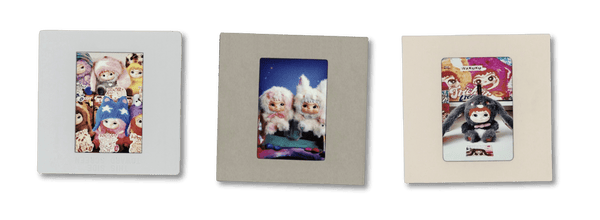
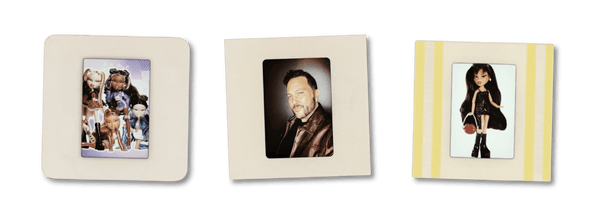
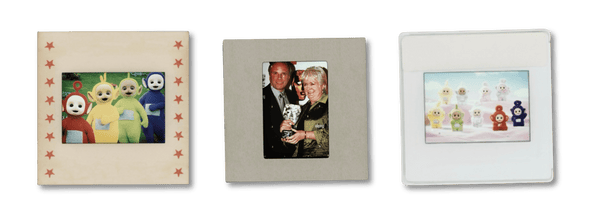
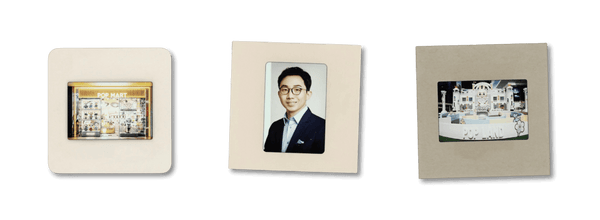
Toru Soeya was born in 1959. He worked in publishing and toy sales, and in 1992 he joined Bandai. Four years later he founded his own company in Tokyo, Dreams Inc. — not as a typical toy manufacturer, but as a maker of products that heal the soul and ease mental fatigue. The company's philosophy reads: “to create a society full of tenderness. Joy in the hands, healing in the heart.” Everything Soeya designs grows from the same soil.
Design that heals
Soeya doesn't design toys — he designs moments of relief. “We designed them to heal you just by looking at them — function is secondary.” That's why his products are thought through in terms of who needs them: Sonny Angel was created with women over 25 in mind, while Smiski was deliberately designed to be more gender-neutral, to reach men too.
A duck in MoMA
Dreams Inc.'s first product was a glowing bath duck — glow-in-the-dark, with a soft glow. 500,000 units sold in the first year in Japan, and the design entered the MoMA collection in New York. To this day it remains Soeya's favourite product — and the best proof that “healing design” isn't a slogan but a method.
Dreams Inc. projects
How to spot the original
Sonny Angel
Smiski
Worth knowing
Sonny Angel nods to Kewpie — the little angel created by Rose O'Neill in 1909; the cherub iconography lives on in every figure. The rarest variant is Robby the Rabbit, with odds of 1/144. Both Sonny Angel and Smiski went through separate, viral revivals on TikTok — Gen Z discovered both brands and fell for them for their nostalgia and healing.
Toru Soeya doesn't design toys. He designs moments in which, for a while, the world is simpler, warmer and a little more bearable.
The whole Dreams Inc. universe is waiting here — Sonny Angel, Smiski and more.
Sonny Angel →Smiski →More Dreams →Follow: Sonny Angel · Smiski · Dreams Inc.