Wood, Davenport and the four who have TVs in their tummies
A programme based on the science of how small children see the world — it ended with the whole world watching that programme.
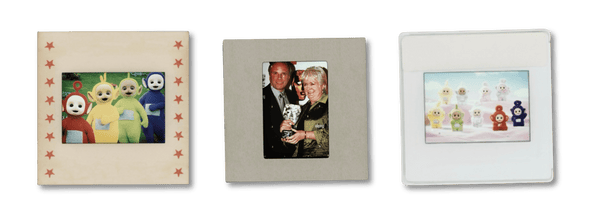
On 31 March 1997, four colourful creatures with antennae on their heads and televisions in their tummies debuted on BBC Two. Tinky Winky, Dipsy, Laa-Laa and Po — the Teletubbies — became an instant cultural phenomenon. Their creators are Anne Wood, founder of Ragdoll Productions, and Andrew Davenport, who wrote all 365 episodes and composed the music. The inspiration was watching astronauts in footage of the Moon landing — their toddler-like proportions and movements reminded Davenport of small children. The BBC asked for televisions to be built into their tummies to solve the problem of scale between the giant characters and the small children in the programme.
Wood and Davenport
Anne Wood, born in 1937 in the mining village of Tudhoe Colliery, was a teacher and children's-book editor before founding Ragdoll Productions in 1984. In 2005 The Daily Telegraph called the Teletubbies the most profitable programme in the BBC's history. Andrew Davenport, in turn, is a cognitive child psychologist, screenwriter and composer all in one — he wrote all 365 episodes based on research into language and attention development in small children. The single "Teletubbies Say Eh-oh!" reached #1 on the UK charts in December 1997. The press dubbed him "the J.K. Rowling for the under-fives".
Controversy and phenomenon
The Teletubbies stirred extreme emotions from the start. Televangelist Jerry Falwell accused Tinky Winky of being a gay symbol — the purple colour, the triangular antenna and the handbag. The programme reached 120 countries, and in 2022 Netflix released a reboot with Titus Burgess as narrator. Since 2013 the brand has belonged to WildBrain, which manages the IP and licences; collectible figures, plushies and blind boxes are sought after today by millennials buying a piece of pure nostalgia.
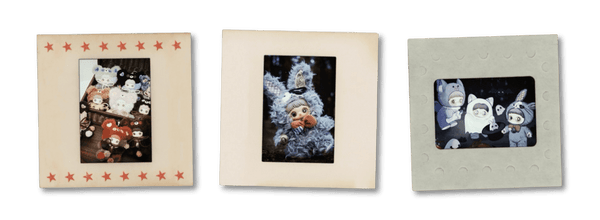
Tinky Winky, Dipsy, Laa-Laa and Po — the four who need no introduction to anyone who grew up in the '90s.
The four and their world
The whole Teletubbies collection is waiting for you here — pure nostalgia in the colours of the rainbow.
See the collection →Follow: Teletubbies · YouTube