Shintaro Tsuji and a world where a flower on a sandal changes the day
The father of Hello Kitty built an empire on one simple intuition: a cute design on an ordinary object can make the heart feel lighter.
Shintaro Tsuji was born in 1927 in Kofu, Yamanashi prefecture. He lost his mother at 13 and came under the care of a strict aunt — a lonely childhood shaped his deep belief in the power of friendship and giving. After World War II he worked as a civil servant, but bureaucracy stifled him. In 1960, using his severance pay, he founded the Yamanashi Silk Company in Tokyo. He sold ties and scarves — until one day he noticed that sandals with painted flowers sold far better than those without. And everything changed.
A small gift, a big smile
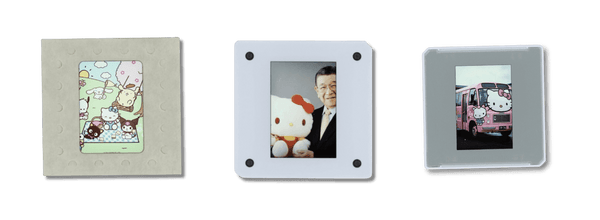
Tsuji believed that the most important thing in life is to have someone you can open your heart to. Sanrio was meant to help people make friends through small, cute gestures — not expensive gifts, not funny ones, but sweet. He understood something simple: a cute design on an ordinary object changes everything. He hired illustrators, commissioned original characters — and in 1974 Yuko Shimizu drew Hello Kitty. A debut on a vinyl coin purse. The rest is history.
Why no mouth?
Tsuji explained: Hello Kitty has no mouth because she is meant to speak with what you feel. Her face is a mirror — you project your emotions onto it. When you're sad, she's sad; when you're happy — so is she. It's not an accident, it's design. Tsuji led Sanrio for exactly 60 years, until 2020, when at the age of 92 he handed the reins to his grandson Tomokuni Tsuji — who, unbelievably, shares a birthday with Hello Kitty.
Shintaro Tsuji invented a world where a flower on a sandal can change someone's day. And for 60 years he proved he was right.
How to spot an original
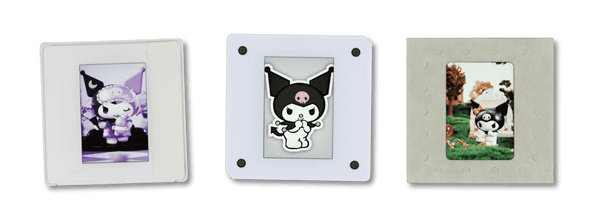
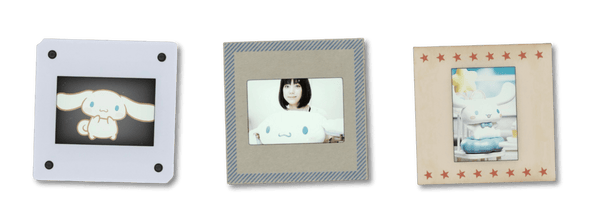
Iconic Sanrio characters
The whole Sanrio collection is waiting for you here — kawaii that speaks with your emotions.
See the collection →Follow: Sanrio · Hello Kitty & Friends